Mastering the Art of Putting: A Guide to Precision and Control on the Greens
The game of golf is profoundly influenced by the skill of putting, an aspect that can drastically swing scores and outcomes in either direction. Perfecting your putts not only requires technical skill but also sharp mental acuity. In this comprehensive guide, we uncover the secrets to mastering the art of putting, ensuring you gain both precision and control on the greens.
Understanding the Basics of Putting
Before diving into intricate techniques, it is crucial to grasp the foundational elements of putting. Effective putting hinges on alignment, posture, and grip. Align your shoulders parallel to your target line, maintain a comfortable, balanced posture without bending too much over the ball, and grip your putter softly to avoid tension, which can impede a smooth stroke.
The Importance of Putter Selection
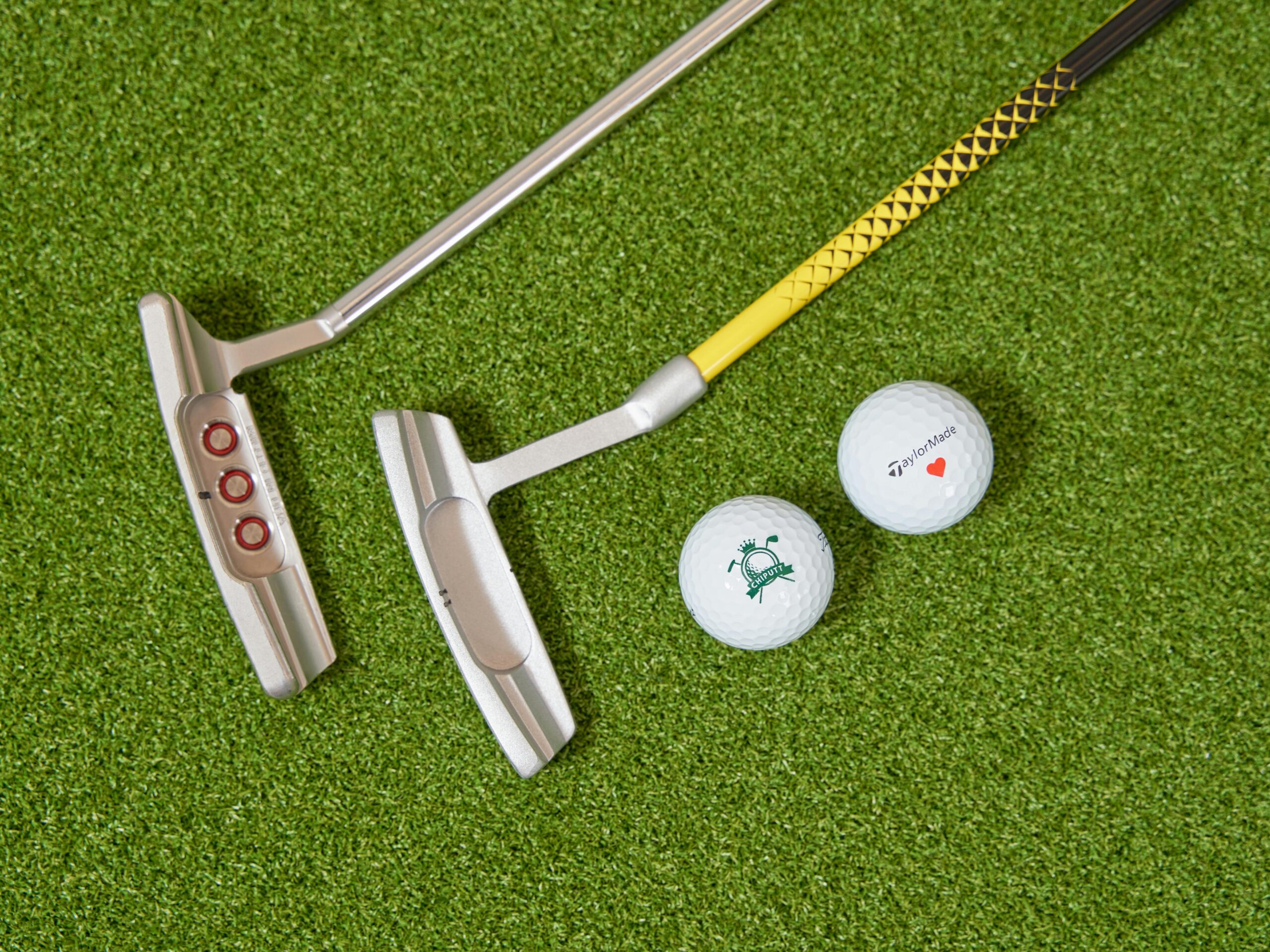
Choosing the right putter is paramount as it significantly impacts your gameplay. Factors to consider include the putter’s length, weight, balance, and head design, which should match your stroke style and comfort preference. Whether it’s a blade or a mallet-type putter, ensure it feels natural in your hands, contributing to better control and confidence in your shots.
Advanced Putting Techniques
Once the basics are set, enhancing your skills with advanced techniques will refine your putting ability. Focus on the leading hand putting technique, which promotes a smoother follow-through and more consistent ball roll. Also, experiment with the gate drill to improve accuracy: Place two tees just wider than your putter’s head on your practice line and try to stroke through them without hitting either.
Mastering Distance Control
Effective distance control on the greens can distinguish between a confident par save and a frustrating bogey. Practicing different lengths of putts regularly can improve your pace control. Use drills such as the ladder drill, where you putt balls at gradually increasing distances, focusing on maintaining a consistent stroke speed throughout.
Psychological Strategies for Better Putting
Putting also demands a strong mental game. Managing nerves and maintaining focus are essential skills, especially under pressure. Visualization techniques can enhance focus and reduce anxiety. Before each putt, visualize the ball’s path towards the hole, this mental rehearsal helps in aligning physical action with your intention.
Common Putting Mistakes to Avoid
Several common errors can derail your putting efficiency. Avoid rushing your putts; take your time to align correctly and execute a confident stroke. Also, ensure not to grip the putter too tightly as this can induce wrist hinge, leading to less control over the putt direction.
Practical Tips for Everyday Practice
Regular practice is key to success on the greens. Create a routine that includes various putting drills to cover short, medium, and long putts. Additionally, try to practice on different types of greens to adapt to varying speeds and slopes. This variability will help you adjust more effectively during actual rounds.
Utilizing Technology for Enhanced Training
Advancements in technology have introduced various tools that can aid in putting practice. Using apps and high-tech putters equipped with sensors can provide instant feedback on your putting stroke, helping identify and correct errors quickly. Such tools are invaluable for making precise adjustments to your technique.
FAQs on Mastering Putting
Q1. How often should I practice putting to see improvement?
Consistency is crucial. Aim for at least three practice sessions per week, focusing on different drills and putt lengths. Quality of practice is equally important, so ensure to stay focused and deliberate during each session.
Q2. What is the best way to adjust to fast greens?
Fast greens require delicate strokes and a soft touch. During practice, work on lighter grips and smoother strokes. Paying attention to the slope and grain of the green in your pre-putt routine can also help anticipate the speed better.
Q3. Can the type of golf ball affect putting?
Yes, different golf balls can behave differently on the greens. Balls with softer covers tend to have a softer feel and might offer more spin control, which can benefit putting. Experiment with various types to find the one that suits your style best.
Conclusion
Mastering the art of putting can significantly enhance your golf game and overall enjoyment of the sport. By understanding essential techniques, practicing effectively, and employing mental strategies, you can gain unprecedented control and precision on the greens. Remember, like all skills, consistent practice and patience are key to seeing substantial improvements in your putting.
Key Takeaways
- Grasp the basics: alignment, posture, and grip.
- Practice with purpose: include a variety of drills focusing on distance control and accuracy.
- Use technology to get real-time feedback on your technique.
- Stay mentally sharp: visualize and prepare for pressure scenarios.
With dedication and strategic practice, you’ll be on your way to becoming a more proficient and confident putter, ready to face any challenge the greens might throw your way.